


Concerns raised of ‘sick note culture’ at Norfolk Constabulary as mental health absence data released

Rising Mental Health Absences Among Norfolk Police: A Growing Concern
In a concerning trend that’s raising eyebrows across Norfolk, nearly one in nine police officers took time off for mental health reasons last year, according to recently released figures. This represents a significant 25% increase from 2024 and a troubling doubling of mental health-related absences since 2016. The data reveals that 212 of Norfolk Constabulary’s 1,868 officers were signed off on mental health grounds between January and November last year, compared to 173 in the previous year. Such a steep rise inevitably prompts important questions about the underlying causes and the potential impact on police effectiveness in the community. While the police leadership attributes this increase to greater awareness and willingness to report mental health issues rather than an actual rise in problems, others point to specific operational strains such as protest monitoring duties that have left officers without crucial rest days.
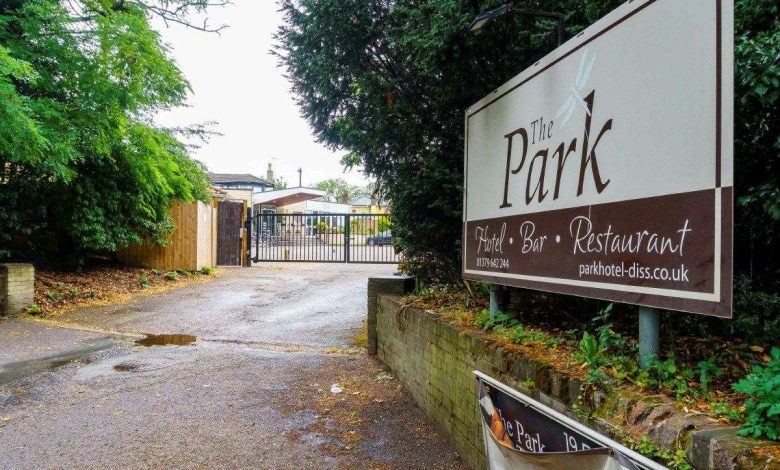
The Police Federation, representing rank-and-file officers, suggests that one significant contributor to officer stress has been the continuous monitoring of protests outside asylum hotels. Andy Symonds, chairman of Norfolk’s Police Federation branch, highlighted how these protests, which began last summer outside the Park Hotel in Diss and the Brook Hotel in Bowthorpe, have forced many officers to miss their scheduled rest days. “Rest days are precious,” Symonds emphasized, pointing to the essential need for officers to recover and spend quality time with their families. The constant deployment to maintain order at these ongoing protest sites has created a relentless schedule for many officers, potentially wearing down their mental resilience over time. This operational pressure represents just one example of the increasingly complex and demanding nature of modern policing that officers face daily.
However, not everyone accepts the police force’s explanation for the rising absences. The Tax Payers’ Alliance (TPA), a public sector watchdog group, has expressed skepticism about the figures, suggesting they “stretch credulity to breaking point.” Elliot Keck, the TPA’s campaigns director, seems to imply that the proportion of officers taking mental health leave—one in nine—appears unusually high. This critical perspective raises questions about whether there might be a developing “sick note culture” within the force, or if these absences truly reflect genuine mental health challenges facing officers. The tension between these viewpoints highlights the complex nature of workplace mental health issues, particularly in high-stress professions like policing where the stigma around mental health has traditionally been strong.
The historical context makes these figures even more striking. The proportion of officers taking mental health leave has nearly doubled since 2016, when only about one in sixteen officers required such leave. This dramatic increase over a relatively short period suggests either a significant deterioration in officer wellbeing or a major cultural shift in how mental health is perceived and reported within the force. Norfolk Constabulary maintains it’s primarily the latter, with a spokeswoman stating that the increase reflects “greater confidence in reporting mental health concerns, rather than a proportional rise in overall sickness.” This explanation aligns with broader societal trends toward greater mental health awareness and reduced stigma, but the magnitude of the increase still raises questions about whether additional factors might be at play.
The challenge for police leadership lies in distinguishing between positive cultural changes that encourage officers to seek help when needed and potentially problematic patterns that might indicate deeper organizational issues. Modern policing has undoubtedly become more complex and stressful, with officers facing increasingly diverse challenges ranging from cybercrime to terrorism concerns, all while dealing with resource constraints and heightened public scrutiny. The mental toll of constantly shifting between traumatic incidents, administrative duties, and community engagement cannot be understated. Officers routinely witness human suffering, face potential danger, and make split-second decisions that can be intensely scrutinized—all factors that can contribute to stress, anxiety, depression, and even post-traumatic stress disorder over time.
Looking ahead, these figures should serve as a catalyst for deeper examination of officer wellbeing programs and support systems within Norfolk Constabulary. Rather than simply debating whether the numbers reflect a genuine problem or improved reporting, the focus should be on ensuring that officers receive appropriate support regardless of the underlying causes. This might include more proactive mental health screening, improved access to counseling services, better management of work schedules to protect rest periods, and continued efforts to reduce stigma around seeking help. Ultimately, the mental health of police officers directly impacts their ability to serve and protect the public effectively. A force where one in nine officers requires mental health leave represents not just a concerning statistic, but a significant operational challenge that deserves serious attention from police leadership, local government, and the communities they serve. Both officer wellbeing and public safety depend on finding constructive solutions to this growing issue.




This content is exactly what world needs more of
You consistently create content that makes difference in lives
Really grateful for this insight
Really appreciate how you take time to respond to comments
**mitolyn**
Mitolyn is a carefully developed, plant-based formula created to help support metabolic efficiency and encourage healthy, lasting weight management.