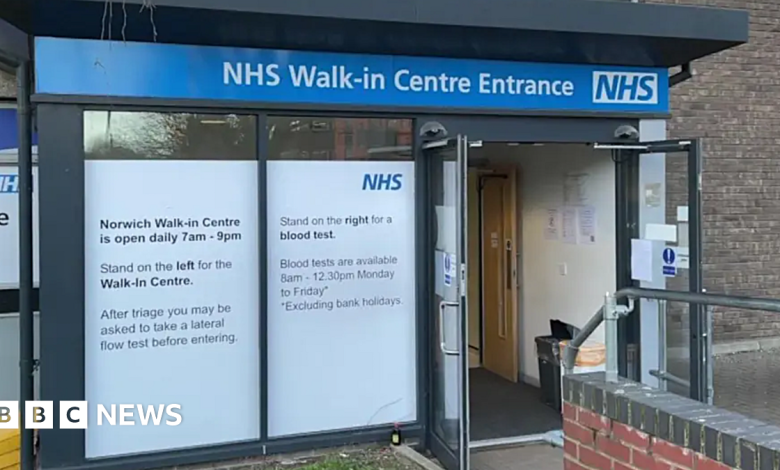
The Uncertain Future of a Vital Healthcare Service
In a recent meeting, concerns were raised about the planned transition of a Vulnerable Adults Service to a new provider, One Medicare Ltd. The situation has escalated to such a degree that Health Secretary Wes Streeting may personally intervene, reportedly having “called in” the decision for review. This unusual step suggests significant concerns about the contract award, though both the Department for Health and Social Care and One Medicare have yet to respond to requests for comment on the matter. The development has created uncertainty for both healthcare workers and the vulnerable populations who depend on these essential services.
Local representatives have expressed serious worries about the handover process and its potential impact on patient care. Green Norwich city councillor Lucy Galvin has been particularly vocal, questioning why these “irreplaceable lifelines” are being transferred to new operators without sufficient explanation. She criticized the Integrated Care Board (ICB) for pushing through “a major provider change with no clear assurance on continuity or how vulnerable patients will be protected.” Her concerns highlight the tension between administrative decision-making and the real-world consequences for those who rely on consistent, quality care—often those most vulnerable in society.
The controversy appears to center around not just the change itself, but the type of organization taking over the service. Councillor Galvin specifically questioned “why local, not-for-profit providers were passed over” in favor of a different model. This raises important questions about healthcare priorities and whether profit motives might influence service delivery for vulnerable populations. Her call for “safeguards to stop profits being extracted from our local health system” reflects broader societal concerns about the commercialization of healthcare services, particularly those serving marginalized groups who may lack the resources or capacity to advocate for themselves.
In response to these concerns, the ICB has offered limited reassurance, stating only that they are “working through the procurement process” and will share information about future plans once the process is completed. This measured response has done little to alleviate anxieties, as it provides no specific details about how continuity of care will be maintained during any transition period. The ICB did emphasize that “all of these services continue to be open as usual for patients to use,” which offers some immediate reassurance but fails to address longer-term questions about service quality, accessibility, and stability.
The situation highlights a common tension in healthcare system changes: the gap between administrative processes and human impact. While procurement procedures and contract awards are necessary aspects of managing healthcare systems, they can sometimes overlook the deeply personal nature of healthcare services, particularly for vulnerable populations. These services often represent more than just medical care—they provide stability, human connection, and essential support for people navigating difficult life circumstances. Changes to these services, even well-intentioned ones, can disrupt these delicate support networks and create anxiety among both patients and healthcare workers.
As this situation continues to develop, it represents a microcosm of broader questions facing healthcare systems: How do we balance efficiency and cost-effectiveness with human-centered care? What role should profit-oriented enterprises play in delivering services to vulnerable populations? How can we ensure transparency in decision-making processes that affect essential community services? And perhaps most importantly, how do we center the needs and experiences of vulnerable people themselves in these discussions? The intervention of the Health Secretary suggests these questions may now receive greater scrutiny, potentially leading to a reevaluation of how such transitions are managed in the future.