


Coastal Erosion Threatens Historic Norfolk Church Graveyards
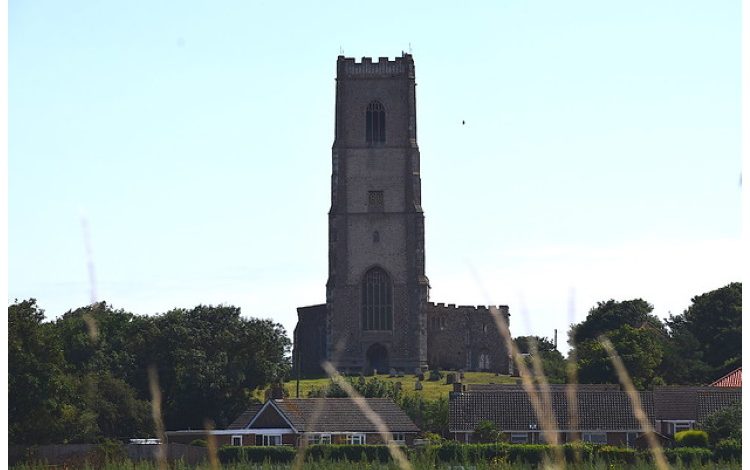
The picturesque coastline of North Norfolk, known for its stunning natural beauty and historic churches, is facing a somber reality as rising sea levels and coastal erosion threaten to claim sacred ground. North Norfolk District Council has identified three church graveyards in the villages of Happisburgh, Trimingham, and Mundesley that stand at risk of being engulfed by the sea within the coming decades. This revelation has sparked concern and emotional distress among local communities, particularly those with loved ones buried in these historic sites. The churchyards, which have stood as places of remembrance and reflection for generations, now face an uncertain future as officials and residents grapple with difficult decisions about how to protect the remains of those laid to rest there.
The situation first came to public attention during the summer when it was revealed that the churchyard adjoining the historic church of St Mary the Virgin in Happisburgh was under imminent threat from coastal erosion. Initial predictions from the Environment Agency had suggested that by 2055, the church would face considerable risk, with complete loss likely by 2105. However, these timelines have been reconsidered in a more recent report published by North Norfolk District Council in August, which warns that significant storms could dramatically accelerate this process. The council’s current options for all three threatened graveyards include ceasing to use them for new burials and the more controversial step of exhuming and relocating existing graves. This situation represents a poignant intersection of climate change impacts, historical preservation concerns, and deeply personal matters of grief and remembrance.
Perhaps most distressing for the families of those buried in these churchyards is the council’s conclusion that constructing sea defenses is not “technically, environmentally or economically feasible.” This assessment dashes hopes that engineering solutions might protect these sacred spaces from the advancing sea. The gravity of this situation is compounded by the historical significance of many of the graves, some of which date back over a century. The emotional weight of potentially relocating ancestral remains cannot be overstated, as these burial grounds represent not only personal connections to deceased loved ones but also tangible links to community history and heritage. Local residents now face the heartbreaking prospect of deciding whether to allow nature to reclaim these sacred spaces or to undertake the difficult process of relocating their ancestors’ remains to higher ground.
Both the North Norfolk District Council and the Diocese of Norwich, which holds responsibility for the graveyards, maintain that decisions about how to proceed should rest with local residents. They have encouraged villagers to engage in community discussions about these difficult matters, recognizing that any solution must be guided by those most directly affected. However, this approach has led to some frustration among bereaved families, who report a lack of consensus and clear direction on when and how to address the problem. The absence of a definitive timeline or plan has left many in a state of anxiety, unsure whether the graves of their loved ones will be protected or whether they should prepare for their relocation. This uncertainty adds another layer of emotional distress to communities already grappling with the prospect of losing significant historical and spiritual landmarks to the sea.
The financial implications of addressing this crisis are substantial and present yet another obstacle to finding a resolution. Experts have speculated that the cost of exhuming what could be thousands of remains could run into millions of pounds. This financial burden raises questions about who would bear the cost of such an extensive operation – local authorities, the Church, or the families themselves. Beyond the monetary considerations, there are also significant logistical challenges involved in identifying, exhuming, and reburying remains with appropriate dignity and respect. Additionally, the process would need to navigate complex legal and ecclesiastical regulations governing the disturbance of burial grounds. These practical concerns add further complexity to an already emotionally charged situation, potentially delaying necessary action even as the sea continues its inexorable advance.
The plight of these North Norfolk churchyards serves as a poignant reminder of the far-reaching impacts of climate change and coastal erosion, which extend beyond environmental concerns to affect cultural heritage and deeply personal aspects of community life. As local residents, church officials, and council representatives work to find a path forward, they are essentially pioneering responses to a challenge that many coastal communities around Britain and worldwide will likely face in the coming decades. Their experiences may provide valuable insights for others who will confront similar situations as sea levels continue to rise globally. For now, the communities of Happisburgh, Trimingham, and Mundesley stand at a difficult crossroads, weighing respect for the dead, preservation of heritage, practical limitations, and the unstoppable forces of nature as they determine how best to honor those who rest in these threatened grounds while acknowledging the realities of our changing coastlines.


fhwsyp
Hiya! I know this is kinda off topic nevertheless I’d figured I’d ask. Would you be interested in exchanging links or maybe guest writing a blog post or vice-versa? My website addresses a lot of the same subjects as yours and I feel we could greatly benefit from each other. If you’re interested feel free to shoot me an email. I look forward to hearing from you! Fantastic blog by the way!