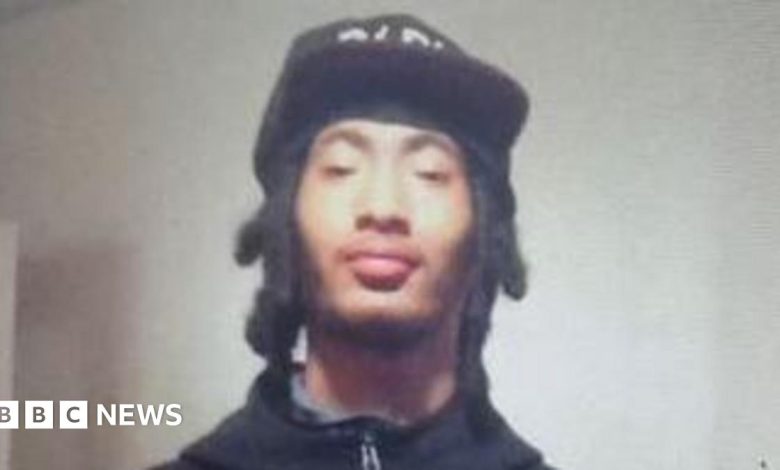
Justice Served: The Tragic End of a Young Life Caught in Norwich’s Drug Trade
In a harrowing case that shook the Norwich community, justice has finally been delivered for the family of a young man whose life was cut short in a drug-related dispute. After a meticulous investigation and emotional trial, Bangura was found guilty of murder, while Dugdale and Hall were convicted of manslaughter in connection with the death of a young man named Taylor. The case, which unfolded in Norwich’s Lefroy Road area, paints a sobering picture of how drug rivalries can lead to devastating consequences, tearing families apart and ending promising lives too soon.
The court proceedings revealed the complex web of Norwich’s drug trade, where Taylor was believed to be working for the “Batman” drugs line, operating from a flat on Lefroy Road, while Bangura represented the competing “Lenny” line. What began as territorial tension escalated to fatal violence on September 15th when Bangura, accompanied by Dugdale and Hall, confronted Taylor at his flat. Witnesses reported hearing demands for money, followed by the theft of a jacket Taylor had indicated was on the sofa. The confrontation quickly turned deadly when Bangura stabbed Taylor in the chest, after which all three fled the scene in a vehicle. The tragedy deepened as Taylor’s body remained undiscovered until September 21st, when a concerned citizen notified police patrolling the area.
The investigation that followed showcased the dedication of Norwich’s law enforcement community. Detective Inspector David McCormack highlighted the “extraordinary level of specialist detective work and intelligence gathering” required to bring the case to resolution. The process was complicated by various claims and counterclaims among the defendants, with two other individuals – Soulay Fornah, 19, and Matthew Holmes, 53 – being found not guilty earlier in the trial. Bangura’s previous guilty pleas to drug-related charges, including being concerned in the supply of heroin and crack cocaine, possession with intent to supply crack cocaine, and knife possession, painted a picture of his deep involvement in the dangerous underworld that ultimately led to this tragedy.
Throughout the emotional court proceedings, Taylor’s family demonstrated what DI McCormack described as “immense courage.” Facing the individuals accused of taking their loved one’s life, sitting through detailed accounts of his final moments, and waiting anxiously for justice would test any family’s resilience. The guilty verdicts likely brought a measure of closure, though nothing can truly compensate for the loss of a young life. The case serves as a stark reminder of the human cost behind drug-related violence – not just for those directly involved, but for the families left behind to piece their lives back together in the aftermath of senseless tragedy.
The convictions in this case reflect society’s judgment on the value of human life and the consequences that must follow when it is taken so callously. For Bangura, the murder conviction represents the legal system’s most serious response to the taking of another’s life. For Dugdale and Hall, their manslaughter convictions acknowledge their role in events that led to Taylor’s death, even if they did not deliver the fatal blow themselves. Behind the legal terms and courtroom proceedings lies a fundamental truth: a young man with hopes, dreams, and people who loved him is gone forever because of a dispute over drugs and money – items that seem insignificant when measured against the value of a human life.
This case also illuminates the dangerous nature of drug networks operating in communities across the UK. Names like the “Batman” and “Lenny” lines might sound almost cartoonish, but they represent organized criminal enterprises that exploit vulnerable individuals, fuel addiction, and, as this case tragically demonstrates, don’t hesitate to use violence to protect their interests. For law enforcement, communities, and policymakers, each case like Taylor’s presents both a heartbreaking failure and an urgent call to continue working to disrupt these networks, support those vulnerable to their influence, and prevent more families from experiencing the devastating loss that Taylor’s loved ones now endure. As Norwich continues to process this tragedy, the community faces difficult questions about how to address the underlying issues that allow such violence to occur in their midst.