



Historic Wall Paintings at All Saints, Crostwight Receive National Lottery Heritage Funding
In an inspiring development for heritage conservation, the All Saints Church in Crostwight has received crucial funding from the National Lottery Heritage Fund to begin preserving its remarkable medieval wall paintings. The initial grant of £42,340 has enabled the Parochial Church Council to take the first steps in what promises to be a comprehensive conservation project of national significance. This preliminary funding has supported essential surveys and detailed planning to determine the optimal approach for preserving these irreplaceable artworks for future generations to appreciate and study. The church community now stands at an exciting crossroads, having laid the groundwork for what could become a transformative restoration project for this historic Norfolk treasure.
The preservation efforts at All Saints aren’t merely focused on the wall paintings themselves but encompass a holistic approach to the building’s overall condition. Looking ahead to 2026, the church hopes to secure a substantial additional grant of £437,000, which would enable not only the careful conservation of the eleven panels depicting the Passion of Christ but also address critical structural issues affecting the ancient building. This comprehensive restoration plan includes repairs to the chancel arch and damaged plaster, along with the installation of modern drainage systems designed to mitigate dampness that threatens both the structure and its artistic treasures. The two-phase approach follows the National Lottery Heritage Fund’s established policy for major grants exceeding £250,000, ensuring thorough preparation before significant investment is committed.
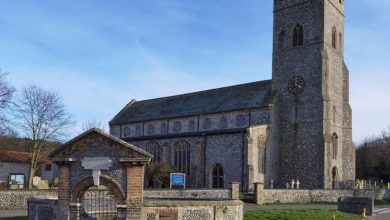
All Saints Church represents an extraordinary time capsule of medieval English religious art and architecture. Standing for approximately 700 years, the church houses numerous features of national historical importance beyond just the wall paintings, including its original rood screen and bell. Experts believe the remarkable paintings are contemporaneous with the church building itself, making them exceptionally rare survivors from a period when religious imagery was central to Christian worship and education. These paintings would have once communicated biblical stories and teachings to a largely illiterate congregation, using visual narratives to convey the central messages of Christianity in a direct and accessible manner. The survival of these works through centuries of religious upheaval, including the iconoclasm of the Reformation, makes them particularly significant historical artifacts.
The local community’s dedication to preserving this heritage is palpable in the words of Peter Williams, Churchwarden at Honing and Crostwight churches and the leader of this ambitious project. “We are thrilled to have received this initial support from The National Lottery Heritage Fund,” Williams expressed with evident enthusiasm. “We can now develop our plans to protect and conserve these remarkable survivals put here by our distant forebears. They can then continue to be enjoyed by all those who pass this way for many years to come.” His statement reflects not only the practical aim of conservation but also a deep sense of connection with the medieval artists and worshippers who created and first beheld these images centuries ago. This project thus bridges generations of faithful stewards, connecting modern conservation efforts with the original creative and spiritual impulses behind the artwork.
The significance of this conservation effort extends well beyond the immediate parish community. Medieval wall paintings represent one of the most vulnerable aspects of Britain’s artistic heritage, with countless examples lost to time, weather, and changing religious practices over the centuries. Each surviving example provides invaluable insights into medieval religious thought, artistic techniques, and social history. By undertaking this careful conservation process, All Saints Crostwight isn’t merely preserving pigment on plaster but safeguarding a unique window into England’s cultural and spiritual past. The project exemplifies how modern conservation science can be applied to protect ancient artistic expressions while maintaining their historical integrity and continuing spiritual significance within an active place of worship.
As this conservation journey continues, the church community invites wider participation and interest in their efforts. The initial phase of technical assessment and planning represents just the beginning of what promises to be a fascinating conservation story unfolding over the coming years. For visitors to North Norfolk, All Saints Crostwight offers a compelling destination where art, faith, history, and community intersect in a living heritage site. The church stands as a testament to how dedicated local stewardship, supported by national funding bodies like the National Lottery Heritage Fund, can ensure that treasures from our collective past remain accessible and meaningful for contemporary and future generations. Through such collaborative efforts, these medieval paintings—silent witnesses to centuries of worship and historical change—will continue to speak to visitors about our shared cultural and spiritual heritage for centuries to come.

Great job simplifying something so complex.
Thank you for being so generous with your knowledge.
This content is gold. Thank you so much!
I enjoyed your take on this subject. Keep writing!
I appreciate the honesty and openness in your writing.
I’ve gained a much better understanding thanks to this post.
Excellent work! Looking forward to future posts.
weed vapes shipping discreet packaging
Good write-up, I’m normal visitor of one’s website, maintain up the nice operate, and It is going to be a regular visitor for a lengthy time.
I am sure this article has touched all the internet users, its really really nice article on building up new web site.
Wonderful work! That is the kind of information that are meant to be shared across the internet. Shame on Google for no longer positioning this put up upper! Come on over and seek advice from my site . Thank you =)
What’s up to every body, it’s my first go to see of this web site; this blog consists of amazing and genuinely good data in favor of visitors.
I’ve been absent for some time, but now I remember why I used to love this blog. Thank you, I’ll try and check back more frequently. How frequently you update your web site?
Greetings! I’ve been reading your web site for a while now and finally got the bravery to go ahead and give you a shout out from Lubbock Tx! Just wanted to mention keep up the good job!
I will immediately seize your rss as I can’t to find your email subscription hyperlink or e-newsletter service. Do you’ve any? Kindly let me recognise in order that I may subscribe. Thanks.
I am sure this article has touched all the internet viewers, its really really nice article on building up new website.
Thanks , I’ve just been searching for information about this topic for ages and yours is the best I have discovered till now. But, what about the conclusion? Are you sure about the source?
Remember: Everyone who’s using this hack for first time must to confirm us that he is a human.
I’ll immediately seize your rss feed as I can’t find your email subscription link or newsletter service. Do you’ve any? Please permit me realize so that I may just subscribe. Thanks.
Ahaa, its pleasant conversation about this piece of writing here at this weblog, I have read all that, so at this time me also commenting here.
There’s definately a lot to find out about this issue. I like all the points you have made.
Roblox Hack Your free roblox robux generator device is about up so that you can take the beguilement to the operating with level.
Everyone loves what you guys are up too. This sort of clever work and exposure! Keep up the wonderful works guys I’ve added you guys to my blogroll.
It is not my first time to visit this site, i am visiting this website dailly and take nice facts from here daily.
Ahaa, its nice discussion regarding this paragraph here at this webpage, I have read all that, so now me also commenting here.
It’s very effortless to find out any matter on web as compared to books, as I found this post at this website.
You made some really good points there. I looked on the web to find out more about the issue and found most individuals will go along with your views on this site.
I’m not sure where you’re getting your information, but good topic. I needs to spend some time learning much more or understanding more. Thanks for fantastic information I was looking for this info for my mission.
Ahaa, its good conversation concerning this article at this place at this website, I have read all that, so now me also commenting here.
I visited several sites except the audio feature for audio songs present at this website is truly fabulous.
I needed to thank you for this good read!! I definitely loved every little bit of it. I have got you saved as a favorite to look at new stuff you
Hi! I’ve been following your site for a long time now and finally got the bravery to go ahead and give you a shout out from Humble Texas! Just wanted to say keep up the good job!
Terrific article! That is the type of info that should be shared across the net. Shame on the seek engines for no longer positioning this post higher! Come on over and consult with my website . Thank you =)
You made some good points there. I checked on the web for more info about the issue and found most individuals will go along with your views on this site.
Ahaa, its fastidious discussion regarding this piece of writing here at this web site, I have read all that, so now me also commenting at this place.
Ahaa, its pleasant conversation about this article at this place at this blog, I have read all that, so at this time me also commenting here.
I am sure this post has touched all the internet viewers, its really really nice paragraph on building up new website.
I like studying and I conceive this website got some truly utilitarian stuff on it!