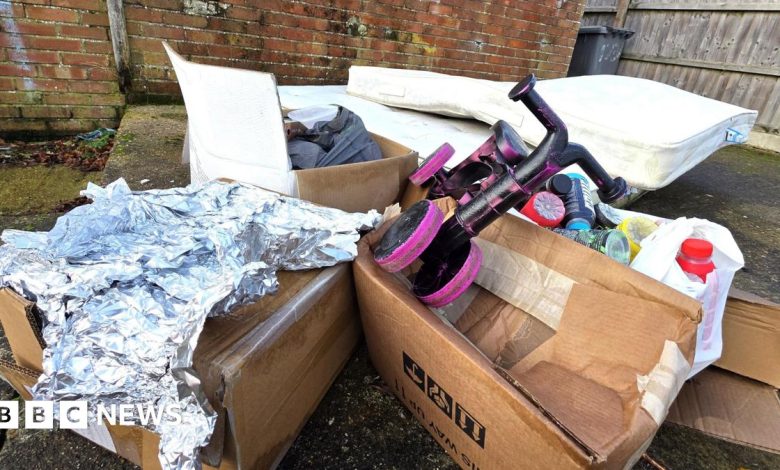
The Fly-Tipping Crisis in Norwich: A Growing Concern for Residents and Officials
Residents of Norwich are increasingly frustrated by the persistent problem of fly-tipping that continues to plague their neighborhoods, especially in areas like Mile Cross. Local councillor Rumsby expressed the community’s exasperation, noting that unauthorized dumping of waste is significantly affecting the appearance of residential areas. “People are a bit jarred off with it, really, because it makes their area look a mess,” Rumsby explained. What’s particularly concerning is the nature of the dumped items, which often include entire kitchens and bathrooms, suggesting that much of the illegal waste disposal is coming from tradespeople rather than ordinary residents. These professional fly-tippers typically operate under the cover of darkness, making it difficult for witnesses to identify vehicles or perpetrators, a tactic that has allowed the problem to persist despite growing awareness and complaints from the community.
The situation in Norwich unfortunately mirrors a troubling national trend. Government statistics reveal that England experienced approximately 1.15 million fly-tipping incidents during the 2023/24 period, representing a significant 6% increase compared to the previous year. This surge suggests that illegal waste disposal has become a widespread issue across the country, not just a localized problem specific to Norwich. The consistent growth in these numbers indicates that current deterrents may not be sufficiently effective, and that both local and national authorities might need to reconsider their approaches to waste management education, enforcement, and facilities provision to address what appears to be a deepening environmental and community problem.
In response to the escalating situation, Norwich City Council, under its Labour leadership, has implemented several measures aimed at both identifying perpetrators and quickly addressing reported incidents. Deputy leader Emma Hampton outlined the council’s multi-faceted approach, which includes the strategic installation of CCTV cameras at known fly-tipping hotspots and the employment of a dedicated enforcement officer specifically tasked with investigating incidents. The council has also prioritized rapid response, with Hampton noting that they successfully address 95% of reported fly-tipping cases within 24 hours, demonstrating a commitment to minimizing the impact on community spaces and residential areas. These efforts represent a significant investment of resources in combating what has become a persistent environmental and social issue for the city.
Beyond just cleanup and enforcement, the city council has recognized that prevention requires education and community engagement. Hampton explained that the council is actively working with local businesses, particularly in areas where fly-tipping is most prevalent, to ensure they understand their legal obligations regarding waste disposal. This educational approach acknowledges that some incidents may stem from ignorance rather than malice, and that creating awareness about proper waste management procedures could help reduce instances of improper disposal. By combining enforcement with education, the council hopes to address both the symptoms and the root causes of the fly-tipping problem, creating a more sustainable solution than enforcement alone could provide.
The Conservative-controlled Norfolk County Council has also weighed in on the issue, emphasizing the importance of using legitimate waste disposal services. A spokesperson for the county authority urged both residents and businesses to utilize licensed waste carriers or the county’s established recycling centers when disposing of unwanted items. This recommendation highlights the fact that proper waste management options do exist, but may not be sufficiently utilized by all community members. The county council’s statement suggests that part of the fly-tipping problem may stem from individuals and businesses choosing illegal options over legal ones, perhaps due to convenience or cost considerations, rather than a lack of proper disposal facilities.
In an effort to make legal waste disposal more accessible, the county council has made significant investments in upgrading local facilities. “The county council has invested in modern facilities at Norwich North and South to make legal waste disposal easy and accessible,” their spokesperson explained. These infrastructure improvements demonstrate a recognition that convenience plays a critical role in waste disposal decisions, and that making legal options more user-friendly could help reduce illegal dumping. Looking forward, the county council has committed to ongoing collaboration with the Norfolk Waste Partnership and local councils to promote responsible waste management practices and support enforcement actions against those who continue to dispose of waste illegally. This coordinated approach between different levels of government may provide the comprehensive strategy needed to effectively address what has become a persistent and growing problem for Norwich and communities across England.